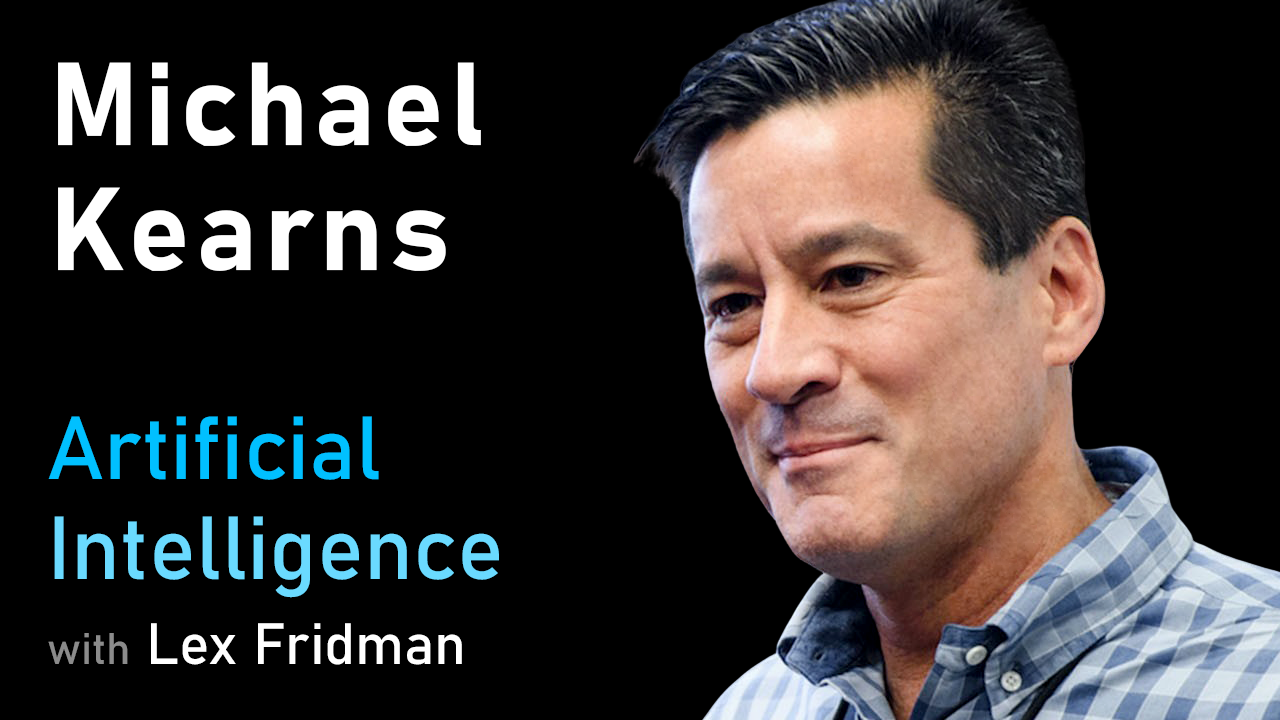
Michael Kearns
立场时间线 5 条 · 5 个议题
同一议题按时间排列,说法变化一目了然。
《伦理算法》一书刻意只处理当前已能置于量化基础的算法伦理部分,而非泛谈全部伦理问题
“Our book is about that part of algorithmic ethics that we know how to put on that same kind of quantitative footing right now. —— 我们的书聚焦于算法伦理中,我们目前能够将其置于类似量化基础之上的那部分。”
来源访谈 →总体层面满足公平保证的算法,可能靠优待某些群体、歧视更细的亚群体来实现,他称之为公平性不公正划分
“We call that fairness gerrymandering, because like political gerrymandering, you're giving some guarantee at the aggregate level, but when you look in a more granular way, you realize that you're achieving that aggregate guarantee by favoring some groups and discriminating against other ones. —— 我们称”
来源访谈 →差分隐私以反事实方式定义隐私:个人数据是否被纳入分析,对本人可能造成的伤害几乎相同
“Differential privacy basically says that any harms that might come to you from the analysis in which your data was included are essentially nearly identical to the harms that would have come to you if the same analysis had been done without your data included. —— 差分隐私基本上是说,任何因你的数据被包含在分析中而可能对你造成的伤害,与”
来源访谈 →社交平台对参与度的优化正是导致当前政治极化等局面的原因
“Optimizing for engagement kind of got us where we are. —— 优化参与度让我们走到了今天这一步。”
来源访谈 →作为机器学习研究者,他认为对平台问题无能为力的说法不可信:知道如何优化某目标,本身就说明了如何不这样优化或另做他事
“The idea that there's nothing to do about it, that strikes me as implausible as a machine learning person. Anytime you know how to optimize for something, almost by definition, that solution tells you how not to optimize for it or to do something different. —— 作为一个机器学习研究者,我认为'对此无能为力'的说法令人难以置信。几乎可以肯定”
来源访谈 →金句墙 5 条
“Our book is about that part of algorithmic ethics that we know how to put on that same kind of quantitative footing right now.”
我们的书聚焦于算法伦理中,我们目前能够将其置于类似量化基础之上的那部分。
算法伦理、公平与隐私:技术如何塑造社会规范 · 2019/11/19“We call that fairness gerrymandering, because like political gerrymandering, you're giving some guarantee at the aggregate level, but when you look in a more granular way, you realize that you're achieving that aggregate guarantee by favoring some groups and discriminating against other ones.”
我们称之为公平性不公正划分,因为就像政治上的不公正划分一样,你在总体层面给出了某种保证,但当你更细致地观察时,会发现你是通过优待某些群体而歧视其他群体来实现那个总体保证的。
算法伦理、公平与隐私:技术如何塑造社会规范 · 2019/11/19“Differential privacy basically says that any harms that might come to you from the analysis in which your data was included are essentially nearly identical to the harms that would have come to you if the same analysis had been done without your data included.”
差分隐私基本上是说,任何因你的数据被包含在分析中而可能对你造成的伤害,与如果同一分析在没有你数据的情况下进行时可能对你造成的伤害,在本质上几乎是相同的。
算法伦理、公平与隐私:技术如何塑造社会规范 · 2019/11/19“Optimizing for engagement kind of got us where we are. So one, do you have faith that it is possible to do better? And two, if it is, how do we do better?”
优化参与度让我们走到了今天这一步。那么,第一,你是否相信有可能做得更好?第二,如果可能,我们如何做得更好?
算法伦理、公平与隐私:技术如何塑造社会规范 · 2019/11/19“The idea that there's nothing to do about it, that strikes me as implausible as a machine learning person. Anytime you know how to optimize for something, almost by definition, that solution tells you how not to optimize for it or to do something different.”
作为一个机器学习研究者,我认为‘对此无能为力’的说法令人难以置信。几乎可以肯定地说,任何时候你知道如何优化某个目标,这个解决方案本身也几乎定义了如何不优化它,或者做些不同的事情。
算法伦理、公平与隐私:技术如何塑造社会规范 · 2019/11/19