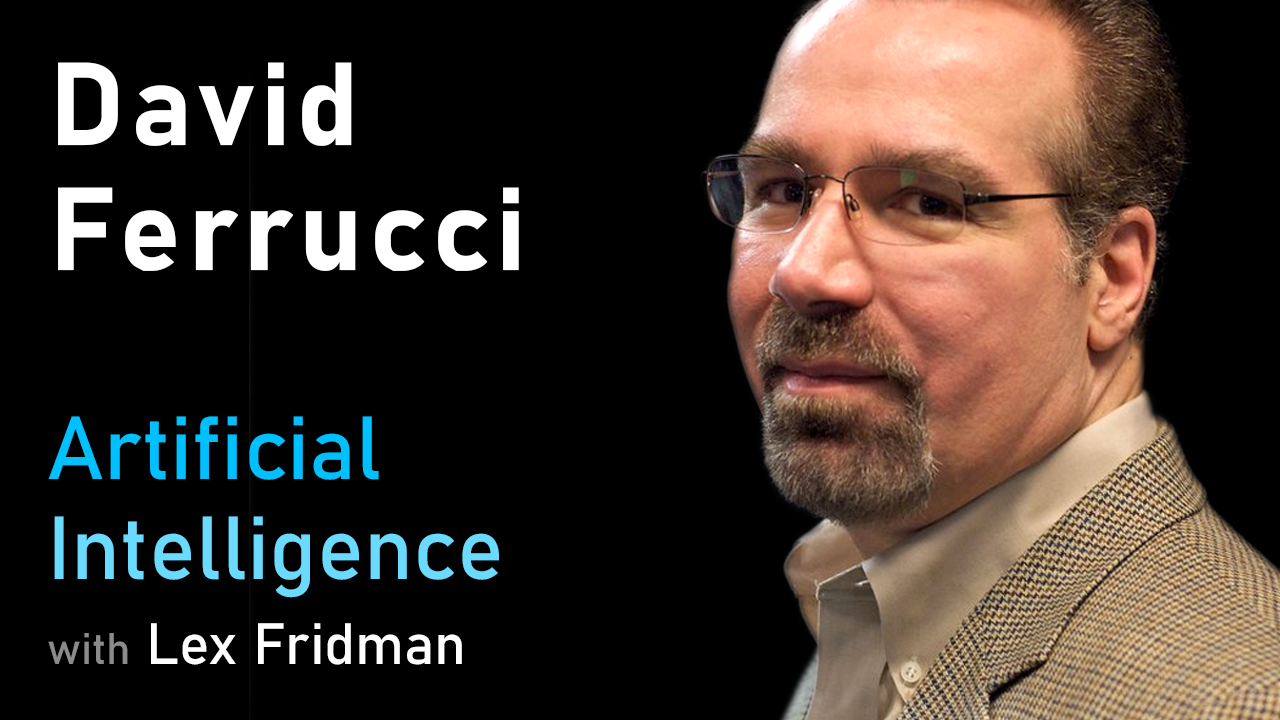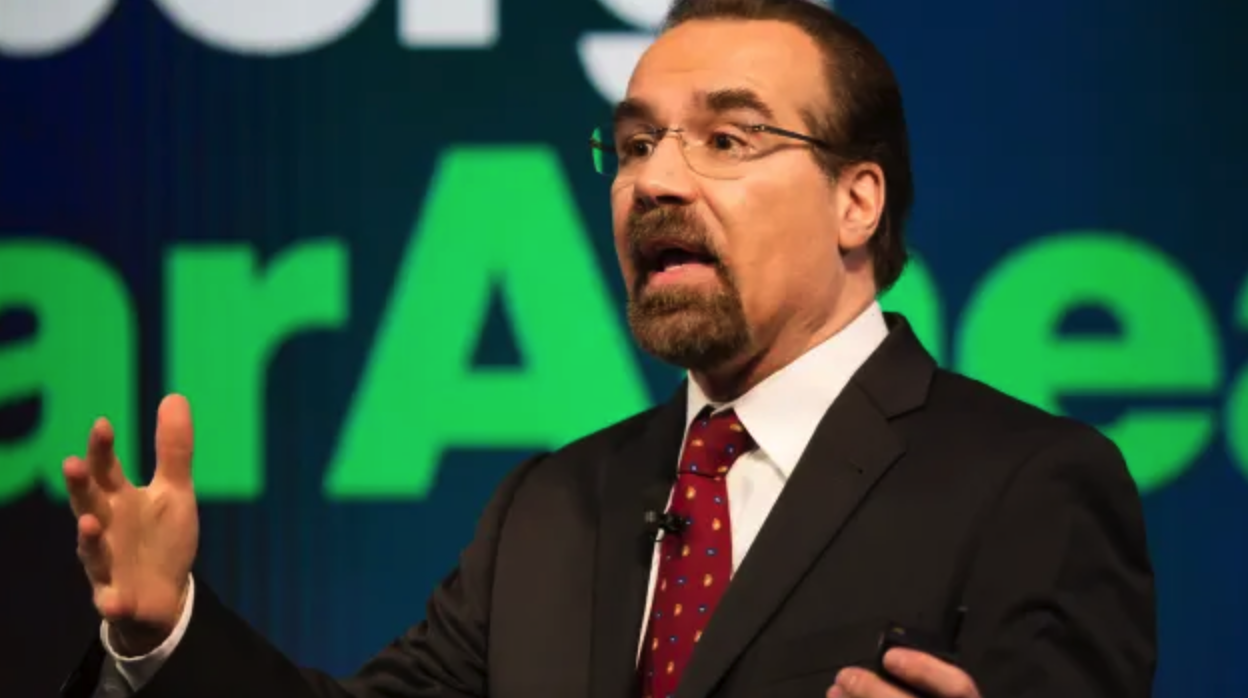
戴维·费鲁奇
立场时间线 5 条 · 5 个议题
同一议题按时间排列,说法变化一目了然。
费鲁奇认为智能由两种核心能力构成:从数据中学习模式并预测未来,以及以他人能理解的方式解释预测背后的推理。
“智能主要体现在两方面:一是预测能力……二是以他人能理解的方式解释这种预测的能力。(英文原话:Intelligence is primarily two ways: one is the ability to predict... the other is the ability to explain that prediction in a way others understand.)”
来源访谈 →费鲁奇认为如果机器能像人类一样思考和处理信息,他不确信人机之间在哲学上存在根本差异。
“如果我们能让机器像我们一样思考、处理信息……那么区别何在?从哲学角度看,我不确信存在根本差异。(英文原话:If we can get machines to think, to process information the way we do... then what would be the difference? From a philosophical standpoint, I'm not sure I'm convinced that there is.)”
来源访谈 →费鲁奇希望机器最终能与人类交流理解,从人类获取知识并向人类传达知识,而非构建无法沟通的外星智能。
“我希望机器最终能够与人类交流理解,能够从人类获取知识并向人类传达知识。(英文原话:I want machines to be able to ultimately communicate understanding with humans, I want to be able to acquire and communicate, acquire knowledge from humans and communicate knowledge to humans.)”
来源访谈 →费鲁奇表示开发Watson时不指望语言理解上的全新发明,而是依靠整合现有NLP与机器学习技术的架构能力。
“我们并不打算真正理解语言来解决这个问题……我的假设是不指望某种全新的发明。我指望的是整合现有技术的能力。(英文原话:We're not going to actually understand language to solve this problem... My assumption is I'm not counting on some brand new invention. What I'm counting on is the ability to take everything that has been done before to figure out an architec”
来源访谈 →费鲁奇的工程方法是先把现有技术整合好,观察系统在哪里失败,再做出必要改进直到整体可用。
“我会想办法把它整合好,然后看看它在哪里会失败,再做出必要的改进,直到它能用。(英文原话:I'm going to figure out how to integrate it well and then see where it breaks, and make the necessary advances we need to make until this thing works.)”
来源访谈 →相关观点 (1)
肖世荣 · 独立开发方法论:想到就做,先做出"垃圾"再持续迭代金句墙 5 条
“If we can get machines to think, to process information the way we do... then what would be the difference? From a philosophical standpoint, I'm not sure I'm convinced that there is.”
如果我们能让机器像我们一样思考、处理信息……那么区别何在?从哲学角度看,我不确信存在根本差异。
戴维·费鲁奇:从Watson到认知AI的探索 · 2019/10/11“Intelligence is primarily two ways: one is the ability to predict... the other is the ability to explain that prediction in a way others understand.”
智能主要体现在两方面:一是预测能力……二是以他人能理解的方式解释这种预测的能力。
戴维·费鲁奇:从Watson到认知AI的探索 · 2019/10/11“I want machines to be able to ultimately communicate understanding with humans, I want to be able to acquire and communicate, acquire knowledge from humans and communicate knowledge to humans.”
我希望机器最终能够与人类交流理解,能够从人类获取知识并向人类传达知识。
戴维·费鲁奇:从Watson到认知AI的探索 · 2019/10/11“We're not going to actually understand language to solve this problem... My assumption is I'm not counting on some brand new invention. What I'm counting on is the ability to take everything that has been done before to figure out an architecture on how to integrate it well.”
我们并不打算真正理解语言来解决这个问题……我的假设是不指望某种全新的发明。我指望的是整合现有技术的能力。
戴维·费鲁奇:从Watson到认知AI的探索 · 2019/10/11“I'm going to figure out how to integrate it well and then see where it breaks, and make the necessary advances we need to make until this thing works.”
我会想办法把它整合好,然后看看它在哪里会失败,再做出必要的改进,直到它能用。
戴维·费鲁奇:从Watson到认知AI的探索 · 2019/10/11