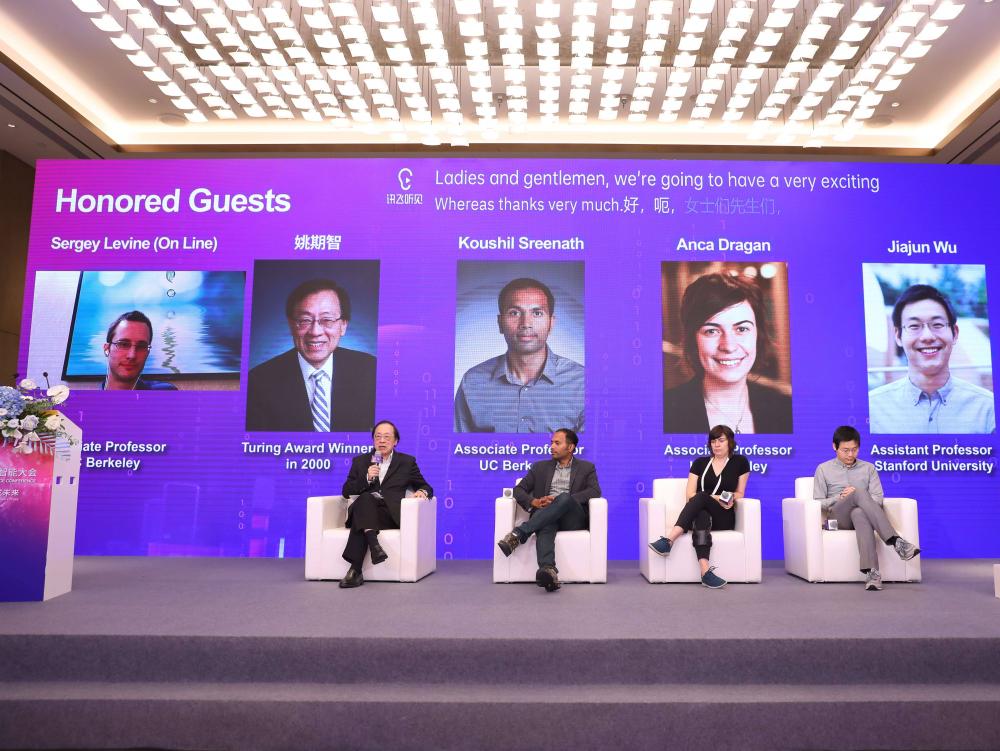
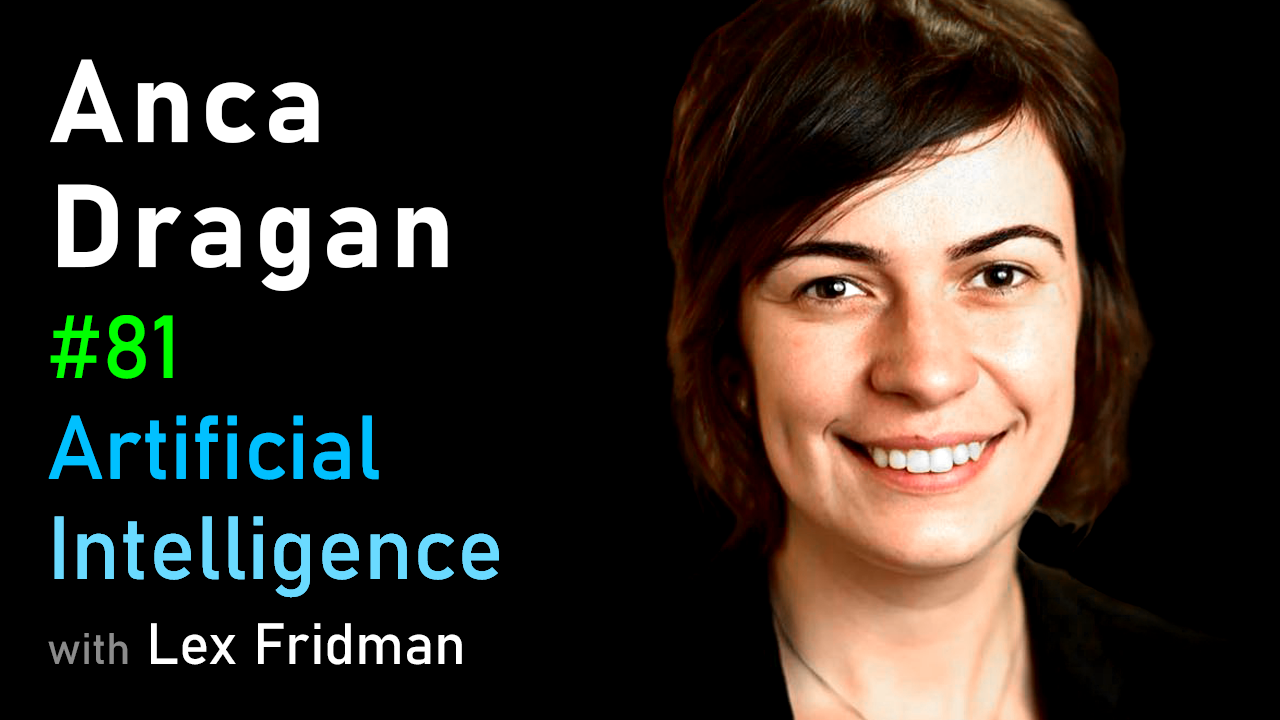
Anca Dragan是加州大学伯克利分校的教授,专注于人机交互算法研究。她致力于让机器人超越孤立功能,生成能与人类协调互动的行为。在此次访谈中,她分享了自己从数学竞赛走向机器人学的历程,以及对自动驾驶、机器人表达性、理解人类意图等核心挑战的深刻见解。她尤其强调,理解人类行为并非简单地将其归为“非理性”,而是需要建立更复杂的模型来捕捉人们在不同情境下的目标和假设。
"I felt like I fell in love. Because I thought I know how a Spot Mini works, right? ... The anthropomorphism that went on into my brain. ... It made me realize, wow, robots can be so much more than things that manipulate objects they can be things that have a human connection." —— “我感觉自己恋爱了。因为我想我了解Spot Mini的工作原理,对吧?……我大脑中产生了拟人化的联想。……这让我意识到,哇,机器人可以远不止是操纵物体的东西,它们可以成为与人类建立连接的事物。”
"Maybe we can give them a bit the benefit of the doubt, and maybe we can think of them as actually being relatively rational, but just under different assumptions about the world." —— “也许我们可以给予他们一些善意的信任,也许我们可以认为他们实际上是相对理性的,只是对世界持有不同的假设。”
"The sooner we start understanding that, I think, the sooner we'll get to more robust robots that function better in different situations." —— “我认为,我们越早开始理解这一点,就越能早日获得更鲁棒、能在不同情境下更好运作的机器人。”
"I push it away. So I push you away because you know it's a reaction to what the robot is currently doing. And this is what we call physical human robot interaction. ... That is signal. That communicates about the reward." —— “我把它推开。我推开你,因为这是对机器人当前行为的反应。这就是我们所说的物理人机交互。……这是一种信号。它传递了关于奖励的信息。”